The Allure Of Women's Bodies
 Daniel Lopez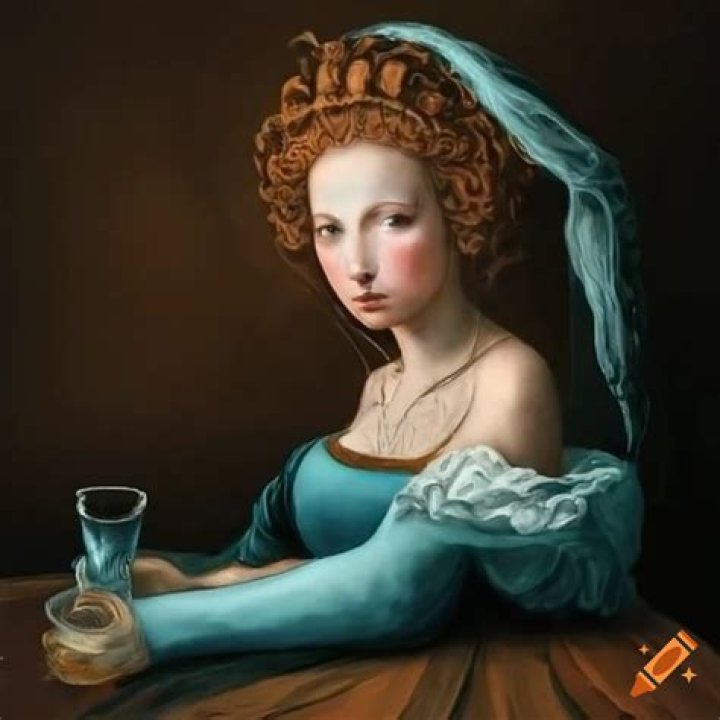
Renaissance paintings of women's bodies are artworks created during the Renaissance period (14th-17th centuries) that depict the female form. These paintings often showcased the beauty and sensuality of women, and were influenced by classical Greek and Roman art. Some famous examples of Renaissance paintings of women's bodies include Botticelli's "The Birth of Venus" and Titian's "Venus of Urbino".
These paintings were significant because they helped to shape the way that women were viewed in society. They also provide a valuable glimpse into the cultural and social values of the Renaissance period.
In this article, we will explore the history, significance, and impact of Renaissance paintings of women's bodies. We will also discuss some of the most famous examples of these paintings and their influence on art and culture.
Renaissance Paintings of Women's Bodies
Renaissance paintings of women's bodies are a significant part of art history, and they have been the subject of much study and debate. Here are nine key aspects of these paintings to consider:
- Beauty: Renaissance paintings of women's bodies often celebrated the beauty of the female form.
- Sensuality: These paintings often depicted women in a sensual and alluring manner.
- Objectification: Women's bodies were often objectified in these paintings, and they were often seen as objects of desire.
- Symbolism: Renaissance paintings of women's bodies often contained symbolic meanings, and they could be used to represent a variety of ideas.
- Power: Women's bodies could also be used to represent power and authority in these paintings.
- Influence: Renaissance paintings of women's bodies had a significant influence on the way that women were viewed in society.
- Legacy: These paintings continue to be studied and debated today, and they remain an important part of our cultural heritage.
- Diversity: Renaissance paintings of women's bodies were not all the same, and they reflected the diversity of the women who lived during this period.
- Complexity: These paintings are complex and multifaceted, and they can be interpreted in a variety of ways.
These nine key aspects provide a framework for understanding Renaissance paintings of women's bodies. By considering these aspects, we can gain a deeper appreciation for these works of art and their significance in art history and culture.
Beauty
Renaissance paintings of women's bodies often celebrated the beauty of the female form. This was due in part to the influence of classical Greek and Roman art, which idealized the human body. Renaissance artists also believed that women's bodies were a source of beauty and inspiration.
- Facet 1: The Idealized Female Form
Renaissance artists often depicted women's bodies in an idealized way, with perfect proportions and flawless skin. This idealized female form was often used to represent beauty, purity, and virtue. - Facet 2: The Female Body as a Source of Pleasure
Renaissance paintings of women's bodies also depicted women as objects of desire. This was especially true in the case of nude paintings, which were often commissioned by wealthy patrons who wanted to enjoy the beauty of the female form. - Facet 3: The Female Body as a Symbol of Nature
Renaissance artists also used women's bodies to represent nature. This was especially true in the case of paintings of Venus, the goddess of love and beauty. Venus was often depicted as a nude woman, surrounded by flowers and other symbols of nature. - Facet 4: The Female Body as a Symbol of Power
Finally, Renaissance paintings of women's bodies could also be used to represent power. This was especially true in the case of paintings of queens and other powerful women. These paintings often depicted women in positions of authority and strength.
The beauty of Renaissance paintings of women's bodies is undeniable. These paintings celebrate the female form in all its glory, and they continue to inspire and amaze viewers today.
Sensuality
Renaissance paintings of women's bodies often depicted women in a sensual and alluring manner. This was due in part to the influence of classical Greek and Roman art, which often depicted women in a nude or semi-nude state. Renaissance artists also believed that women's bodies were a source of beauty and pleasure.
- Facet 1: The Female Body as an Object of Desire
Renaissance paintings of women's bodies often depicted women as objects of desire. This was especially true in the case of nude paintings, which were often commissioned by wealthy patrons who wanted to enjoy the beauty of the female form. - Facet 2: The Female Body as a Symbol of Love
Renaissance paintings of women's bodies also depicted women as symbols of love. This was especially true in the case of paintings of Venus, the goddess of love and beauty. Venus was often depicted as a nude woman, surrounded by flowers and other symbols of love. - Facet 3: The Female Body as a Symbol of Fertility
Renaissance paintings of women's bodies also depicted women as symbols of fertility. This was especially true in the case of paintings of the Madonna and Child. The Madonna was often depicted as a young woman, with a full figure and a healthy child. This imagery was used to represent the fertility of the earth and the promise of new life. - Facet 4: The Female Body as a Symbol of Power
Finally, Renaissance paintings of women's bodies could also be used to represent power. This was especially true in the case of paintings of queens and other powerful women. These paintings often depicted women in positions of authority and strength.
The sensuality of Renaissance paintings of women's bodies is undeniable. These paintings celebrated the female form in all its glory, and they continue to inspire and amaze viewers today.
Objectification
The objectification of women's bodies in Renaissance paintings was a reflection of the patriarchal society in which these paintings were created. Women were often seen as objects of beauty and pleasure, rather than as individuals with their own thoughts and feelings. This objectification is evident in the way that women's bodies are often depicted in these paintings, as well as in the way that they are discussed by art critics and historians.
- Facet 1: The Female Body as an Object of Desire
Renaissance paintings of women's bodies often depicted women as objects of desire. This was especially true in the case of nude paintings, which were often commissioned by wealthy patrons who wanted to enjoy the beauty of the female form. - Facet 2: The Female Body as a Symbol of Beauty
Renaissance paintings of women's bodies also depicted women as symbols of beauty. This was due in part to the influence of classical Greek and Roman art, which idealized the human body. Renaissance artists also believed that women's bodies were a source of beauty and inspiration. - Facet 3: The Female Body as a Commodity
Renaissance paintings of women's bodies could also be used to represent wealth and status. This was especially true in the case of portraits of women wearing expensive clothing and jewelry. These paintings were often commissioned by wealthy families to display their wealth and power. - Facet 4: The Female Body as a Source of Pleasure
Finally, Renaissance paintings of women's bodies could also be used to represent the pleasures of the senses. This was especially true in the case of paintings of women bathing or making music. These paintings were often commissioned by wealthy patrons who wanted to enjoy the beauty of the female form and the pleasures of the senses.
The objectification of women's bodies in Renaissance paintings is a complex issue with a long history. These paintings reflect the patriarchal society in which they were created, and they continue to be a source of debate today.
Symbolism
Renaissance paintings of women's bodies were often laden with symbolism. This symbolism could be used to represent a variety of ideas, including beauty, fertility, love, and power. By understanding the symbolism of these paintings, we can gain a deeper appreciation for their meaning and significance.
- Facet 1: The Female Body as a Symbol of Beauty
The female body was often used to represent beauty in Renaissance paintings. This was due in part to the influence of classical Greek and Roman art, which idealized the human form. Renaissance artists also believed that women's bodies were a source of beauty and inspiration.
- Facet 2: The Female Body as a Symbol of Fertility
The female body was also used to represent fertility in Renaissance paintings. This was especially true in the case of paintings of the Madonna and Child. The Madonna was often depicted as a young woman, with a full figure and a healthy child. This imagery was used to represent the fertility of the earth and the promise of new life.
- Facet 3: The Female Body as a Symbol of Love
The female body was also used to represent love in Renaissance paintings. This was especially true in the case of paintings of Venus, the goddess of love and beauty. Venus was often depicted as a nude woman, surrounded by flowers and other symbols of love.
- Facet 4: The Female Body as a Symbol of Power
Finally, the female body could also be used to represent power in Renaissance paintings. This was especially true in the case of paintings of queens and other powerful women. These paintings often depicted women in positions of authority and strength.
The symbolism of Renaissance paintings of women's bodies is a complex and fascinating topic. By understanding the symbolism of these paintings, we can gain a deeper appreciation for their meaning and significance.
Power
In Renaissance paintings, women's bodies were occasionally employed to represent power and authority. This was particularly true in the depiction of queens and other powerful women. These paintings frequently portrayed women in positions of leadership and strength, highlighting their political and social influence. By portraying women in these roles, artists challenged traditional gender norms and presented a more nuanced and multifaceted view of female power.
One notable example is the portrait of Queen Elizabeth I by Nicholas Hilliard. In this painting, Elizabeth is depicted as a powerful and authoritative figure, adorned with elaborate clothing and jewelry that symbolize her wealth and status. Her posture is regal and commanding, and her gaze is direct and unwavering, conveying a sense of confidence and control.
Another example is the painting "Judith Beheading Holofernes" by Artemisia Gentileschi. This painting depicts the biblical story of Judith, a young woman who saves her people by beheading the Assyrian general Holofernes. Gentileschi's portrayal of Judith is powerful and assertive, highlighting her courage and determination. By depicting Judith as a strong and capable woman, Gentileschi challenged traditional gender roles and presented a feminist perspective on female power.
These paintings demonstrate that Renaissance artists used women's bodies to convey a range of ideas and messages, including the power and authority of women. By understanding the symbolism and context of these paintings, we gain a deeper appreciation for the complex and multifaceted representation of women in Renaissance art.
Influence
Renaissance paintings of women's bodies were not merely aesthetic creations; they played a significant role in shaping societal attitudes towards women. These paintings often depicted women as objects of beauty and desire, reinforcing the idea that women's primary value lay in their physical appearance. This objectification of women in art contributed to the widespread acceptance of patriarchal norms and the marginalization of women in society.
Furthermore, the idealized female form portrayed in these paintings set unrealistic standards of beauty for women. Women who did not conform to these standards were often seen as unattractive or undesirable, leading to feelings of inadequacy and low self-esteem. This cultural obsession with female beauty has had lasting effects, as evidenced by the continued pressure on women to meet unrealistic beauty ideals in modern society.
However, it is important to note that Renaissance paintings of women's bodies also had a more nuanced and empowering influence. Some artists, such as Artemisia Gentileschi, used their work to challenge traditional gender roles and celebrate female strength and agency. Gentileschi's painting "Judith Beheading Holofernes" depicts a powerful and determined woman taking control of her own narrative, subverting the typical portrayal of women as passive and vulnerable.
In conclusion, Renaissance paintings of women's bodies had a complex and multifaceted influence on societal attitudes towards women. While they often reinforced patriarchal norms and unrealistic beauty standards, they also provided a platform for challenging these norms and celebrating female empowerment. Understanding this influence is crucial for gaining a comprehensive understanding of the role of art in shaping cultural values and gender dynamics.
Legacy
The legacy of Renaissance paintings of women's bodies is complex and multifaceted. These paintings have been studied and debated for centuries, and they continue to be an important part of our cultural heritage. Here are four key aspects of their legacy:
- Artistic Inspiration:
Renaissance paintings of women's bodies have been a major source of inspiration for artists throughout history. From the Baroque period to the present day, artists have drawn on these paintings for their own work. For example, the work of Rubens, Boucher, and Ingres shows the influence of Renaissance paintings of women's bodies. - Historical Insight:
Renaissance paintings of women's bodies provide us with a valuable insight into the social and cultural values of the Renaissance period. These paintings reflect the changing attitudes towards women's bodies during this time, and they can help us to understand the role of women in Renaissance society. - Cultural Impact:
Renaissance paintings of women's bodies have had a significant impact on Western culture. These paintings have helped to shape our ideas about beauty, femininity, and sexuality. They have also been used to justify both the oppression and the liberation of women. - Ongoing Relevance:
Renaissance paintings of women's bodies continue to be relevant today. These paintings can help us to understand the history of women's bodies, and they can also challenge our contemporary ideas about beauty and sexuality. By studying and debating these paintings, we can gain a deeper understanding of ourselves and our world.
The legacy of Renaissance paintings of women's bodies is complex and multifaceted. These paintings are both beautiful and problematic, and they continue to fascinate and inspire us today.
Diversity
Renaissance paintings of women's bodies were not all the same. They reflected the diversity of the women who lived during this period, in terms of their age, race, social class, and body type. This diversity is evident in the different ways that women's bodies are depicted in Renaissance paintings.
- Age
Renaissance paintings of women's bodies depict women of all ages, from young girls to old women. This reflects the fact that women's bodies change throughout their lives, and that there is no one "ideal" female body type. - Race
Renaissance paintings of women's bodies depict women of different races, including white women, black women, and Asian women. This reflects the fact that women of all races were living in Europe during the Renaissance period. - Social Class
Renaissance paintings of women's bodies depict women of different social classes, from wealthy to poor peasants. This reflects the fact that women's lives were shaped by their social class, and that their bodies were often used to represent their social status. - Body Type
Renaissance paintings of women's bodies depict women of different body types, from thin women to fat women. This reflects the fact that there was no one "ideal" female body type during the Renaissance period.
The diversity of Renaissance paintings of women's bodies is a reminder that women are not all the same. We come in all shapes, sizes, and colors. And we are all beautiful.
Complexity
Renaissance paintings of women's bodies are complex and multifaceted works of art. They can be interpreted in a variety of ways, depending on the viewer's perspective and knowledge. This complexity is due to several factors, including the following:
- Symbolism
Renaissance paintings of women's bodies are often laden with symbolism. This symbolism can be religious, political, or personal. For example, a painting of a woman holding a lamb may symbolize the Virgin Mary, while a painting of a woman holding a sword may symbolize Judith, the biblical heroine who saved her people from the Assyrians. - Context
The context in which a painting was created can also affect its interpretation. For example, a painting of a nude woman that was created for a private patron may be interpreted differently than a painting of a nude woman that was created for a public audience. - Viewer's Perspective
The viewer's own perspective can also affect the interpretation of a painting. For example, a feminist viewer may interpret a painting of a woman as a celebration of female beauty and power, while a traditional viewer may interpret the same painting as a representation of female submission.
The complexity of Renaissance paintings of women's bodies is one of the things that makes them so fascinating. These paintings can be enjoyed on multiple levels, and they offer new insights each time they are viewed.
FAQs on Renaissance Paintings of Women's Bodies
This section addresses some frequently asked questions and misconceptions regarding Renaissance paintings of women's bodies, providing informative and comprehensive answers.
Question 1: What are the key characteristics of Renaissance paintings of women's bodies?
Renaissance paintings of women's bodies are known for their emphasis on beauty, sensuality, symbolism, and the depiction of the female form in various contexts, including religious, mythological, and allegorical scenes.
Question 2: How did the portrayal of women's bodies in Renaissance paintings reflect societal attitudes towards women?
These paintings often reflected prevailing societal norms and values, including the objectification and idealization of women's bodies, as well as the association of women with beauty, fertility, and domesticity.
Question 3: What were some of the purposes and functions of Renaissance paintings of women's bodies?
These paintings served various purposes, including religious devotion, the celebration of female beauty, the exploration of mythological and allegorical themes, and the display of wealth and status.
Question 4: How did Renaissance artists depict diversity in their representations of women's bodies?
While many Renaissance paintings presented idealized depictions of women's bodies, there were also representations that reflected a wider range of ages, body types, and ethnicities, showcasing the diversity of the female form.
Question 5: What is the significance of Renaissance paintings of women's bodies in art history?
These paintings hold great significance in art history as they provide valuable insights into the artistic, social, and cultural values of the Renaissance period and continue to influence contemporary art and visual culture.
Question 6: How can we interpret the complex and multifaceted nature of Renaissance paintings of women's bodies?
Understanding the historical context, symbolism, artistic techniques, and diverse perspectives that shaped these paintings is crucial for a comprehensive and nuanced interpretation of their meanings and significance.
In conclusion, Renaissance paintings of women's bodies offer a rich and multifaceted subject for study, providing insights into the artistic, social, and cultural values of the Renaissance period while continuing to captivate and inspire viewers today.
Proceed to the next section for further exploration of this topic.
Tips on Renaissance Paintings of Women's Bodies
To enhance your understanding and appreciation of Renaissance paintings of women's bodies, consider these valuable tips:
Tip 1: Explore the Historical Context
Immerse yourself in the social, cultural, and religious backdrop of the Renaissance period. This context will provide insights into the motivations, influences, and symbolism behind these paintings.
Tip 2: Analyze Artistic Techniques
Examine the painting's composition, color palette, and brushwork. These techniques reveal the artist's skill, intent, and the prevailing artistic styles of the time.
Tip 3: Identify Symbolism and Allegory
Look for symbolic elements and allegorical references that convey deeper meanings or narratives. Understanding these symbols enhances your interpretation of the painting's message.
Tip 4: Consider the Patronage and Audience
Investigate who commissioned the painting and its intended audience. These factors influence the subject matter, style, and purpose of the artwork.
Tip 5: Compare and Contrast Different Works
Compare paintings by various artists to observe similarities and differences in their depictions of women's bodies. This comparative analysis deepens your understanding of artistic diversity and evolution.
Tip 6: Engage with Secondary Sources
Read books, articles, and online resources to supplement your knowledge. Explore scholarly interpretations, historical accounts, and cultural perspectives to enrich your understanding.
Tip 7: Visit Museums and Exhibitions
Experience these paintings firsthand in museums and exhibitions. Direct observation allows you to appreciate their scale, textures, and the emotional impact they evoke.
Tip 8: Attend Lectures and Workshops
Participate in lectures, workshops, or guided tours led by experts. These educational opportunities provide valuable insights and foster a deeper appreciation for the subject matter.
By following these tips, you will gain a comprehensive understanding of Renaissance paintings of women's bodies, their historical significance, artistic qualities, and enduring impact on art and culture.
Proceed to the next section for further exploration of this fascinating topic.
Conclusion
Throughout this exploration of Renaissance paintings of women's bodies, we have delved into their captivating beauty, symbolic meanings, and complex representations. These paintings offer a window into the artistic, social, and cultural values of the Renaissance period, showcasing the diversity and multifaceted nature of the female form.
The enduring legacy of these paintings lies in their ability to transcend time and continue to inspire and provoke thought. They challenge us to reconsider our perceptions of beauty, question societal norms, and appreciate the intricate tapestry of human experiences embodied in these timeless works of art. As we continue to study and engage with these paintings, they will undoubtedly continue to captivate and enrich our understanding of art, history, and the human condition.
Unveiling Robin Williams' Net Worth: Discoveries And Insights | PopCultureHub
Calvin Ridley's Wife: Uncovering The Secrets Of An Athlete's Support System
Snooki's Marital Status: Unveiling The Truth Behind The Headlines