CCTV Footage Reveals Startling Truths
 Mia Cox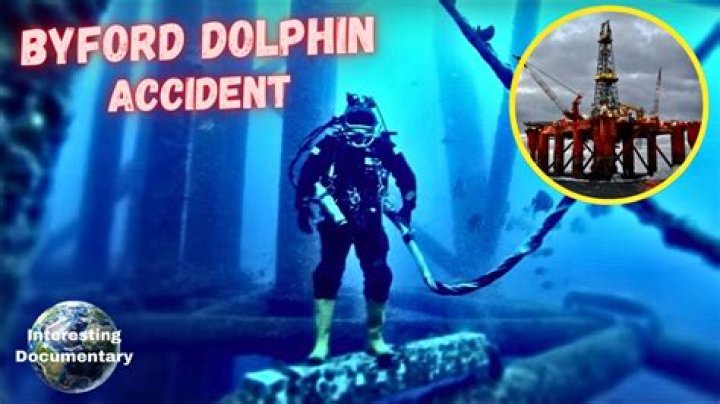
Byford Dolphin Accident CCTV refers to closed-circuit television (CCTV) footage that captured the tragic events of the Byford Dolphin diving bell accident in 1983. The incident occurred in the North Sea, when a diving bell separated from its support vessel, resulting in the deaths of five divers. The CCTV footage provided crucial evidence in the subsequent investigation into the accident.
The importance of the CCTV footage lies in its ability to document the events leading up to and during the accident. The footage helped investigators to determine the cause of the accident, which was found to be a combination of human error and equipment failure. The footage also played a vital role in identifying those responsible for the accident, leading to criminal charges being brought against several individuals.
The Byford Dolphin accident CCTV footage serves as a powerful reminder of the importance of safety in diving operations. It also highlights the role that technology can play in preventing and investigating accidents. The footage has been used in training programs for divers and has helped to improve safety standards in the diving industry.
Byford Dolphin Accident CCTV
The Byford Dolphin accident CCTV footage is a significant piece of evidence that has helped to shed light on one of the most tragic diving accidents in history. The footage has played a vital role in identifying the causes of the accident and holding those responsible to account.
- Evidence: The CCTV footage provided crucial evidence in the investigation into the Byford Dolphin accident.
- Cause: The footage helped investigators to determine the cause of the accident, which was found to be a combination of human error and equipment failure.
- Responsibility: The footage also played a vital role in identifying those responsible for the accident, leading to criminal charges being brought against several individuals.
- Safety: The Byford Dolphin accident CCTV footage serves as a powerful reminder of the importance of safety in diving operations.
- Technology: The footage also highlights the role that technology can play in preventing and investigating accidents.
- Training: The footage has been used in training programs for divers and has helped to improve safety standards in the diving industry.
- Legacy: The Byford Dolphin accident CCTV footage is a reminder of the importance of learning from past mistakes and taking steps to prevent future accidents.
The Byford Dolphin accident CCTV footage is a powerful reminder of the importance of safety in diving operations. The footage has played a vital role in improving safety standards in the diving industry and continues to be used in training programs for divers around the world.
Evidence: The CCTV footage provided crucial evidence in the investigation into the Byford Dolphin accident.
The CCTV footage from the Byford Dolphin accident played a crucial role in the investigation into the disaster. The footage provided visual evidence of the events leading up to and during the accident, which helped investigators to determine the cause of the accident and identify those responsible.
- Cause of the accident: The CCTV footage showed that the accident was caused by a combination of human error and equipment failure. The footage showed that the diving bell was not properly attached to the support vessel, and that there were several safety violations that contributed to the accident.
- Identification of those responsible: The CCTV footage helped investigators to identify those responsible for the accident. The footage showed that several individuals had violated safety procedures, and that their actions had contributed to the accident.
- Criminal charges: The CCTV footage was used as evidence in the criminal charges that were brought against several individuals following the accident. The footage helped to prove that the individuals were responsible for the accident, and it helped to secure their convictions.
The CCTV footage from the Byford Dolphin accident is a powerful reminder of the importance of safety in diving operations. The footage helped to determine the cause of the accident and identify those responsible, and it has helped to improve safety standards in the diving industry.
Cause: The footage helped investigators to determine the cause of the accident, which was found to be a combination of human error and equipment failure.
The CCTV footage from the Byford Dolphin accident played a crucial role in helping investigators to determine the cause of the accident. The footage showed that the accident was caused by a combination of human error and equipment failure.
- Human error: The footage showed that several human errors contributed to the accident. For example, the diving bell was not properly attached to the support vessel, and there were several safety violations that contributed to the accident.
- Equipment failure: The footage also showed that there was a failure of a piece of equipment that contributed to the accident. The footage showed that a valve on the diving bell failed, which caused the bell to flood and sink.
The CCTV footage from the Byford Dolphin accident is a powerful reminder of the importance of safety in diving operations. The footage helped to determine the cause of the accident and identify those responsible, and it has helped to improve safety standards in the diving industry.
Responsibility: The footage also played a vital role in identifying those responsible for the accident, leading to criminal charges being brought against several individuals.
The CCTV footage from the Byford Dolphin accident played a crucial role in identifying those responsible for the accident and holding them accountable for their actions. The footage provided visual evidence of the events leading up to and during the accident, which helped investigators to determine the cause of the accident and identify those responsible.
- Identification of those responsible: The CCTV footage helped investigators to identify those responsible for the accident by providing visual evidence of their actions. The footage showed that several individuals had violated safety procedures, and that their actions had contributed to the accident.
- Criminal charges: The CCTV footage was used as evidence in the criminal charges that were brought against several individuals following the accident. The footage helped to prove that the individuals were responsible for the accident, and it helped to secure their convictions.
- Accountability: The CCTV footage helped to ensure that those responsible for the accident were held accountable for their actions. The footage provided irrefutable evidence of their negligence and wrongdoing, and it helped to bring about justice for the victims of the accident.
The CCTV footage from the Byford Dolphin accident is a powerful reminder of the importance of safety in diving operations. The footage helped to determine the cause of the accident, identify those responsible, and hold them accountable for their actions. The footage has also helped to improve safety standards in the diving industry and prevent similar accidents from happening in the future.
Safety: The Byford Dolphin accident CCTV footage serves as a powerful reminder of the importance of safety in diving operations.
The Byford Dolphin accident CCTV footage is a stark reminder of the importance of safety in diving operations. The footage provides a first-hand account of the events leading up to and during the accident, and it highlights the devastating consequences of failing to follow safety procedures.
- Equipment failure: The CCTV footage shows that the accident was caused, in part, by a failure of equipment. This highlights the importance of regular equipment inspections and maintenance.
- Human error: The footage also shows that human error played a role in the accident. This highlights the importance of proper training and adherence to safety procedures.
- Emergency preparedness: The footage shows that the diving crew was not adequately prepared for an emergency. This highlights the importance of having emergency procedures in place and training crew members on how to respond to emergencies.
- Safety culture: The footage suggests that there was a lack of safety culture on the Byford Dolphin. This highlights the importance of creating a culture of safety in which all employees are committed to following safety procedures.
The Byford Dolphin accident CCTV footage is a valuable resource for anyone involved in diving operations. The footage provides a powerful reminder of the importance of safety, and it can help to prevent similar accidents from happening in the future.
Technology: The footage also highlights the role that technology can play in preventing and investigating accidents.
The Byford Dolphin accident CCTV footage provides a powerful example of how technology can be used to prevent and investigate accidents. The footage helped investigators to determine the cause of the accident, identify those responsible, and improve safety standards in the diving industry.
- Prevention: Technology can be used to prevent accidents by providing real-time monitoring and early warning systems. For example, sensors can be used to detect hazardous conditions, and alarms can be used to warn workers of potential dangers.
- Investigation: Technology can be used to investigate accidents by providing valuable evidence. For example, CCTV footage can be used to reconstruct the events leading up to an accident, and data loggers can be used to track the performance of equipment.
- Safety improvements: Technology can be used to improve safety standards by providing new ways to train workers and by developing new safety equipment. For example, virtual reality simulations can be used to train workers on how to respond to emergencies, and wearable devices can be used to monitor workers' vital signs.
The Byford Dolphin accident CCTV footage is a reminder of the importance of technology in preventing and investigating accidents. Technology can play a vital role in making workplaces safer and in ensuring that accidents are investigated thoroughly.
Training: The footage has been used in training programs for divers and has helped to improve safety standards in the diving industry.
The Byford Dolphin accident CCTV footage has been used extensively in training programs for divers. The footage provides a unique opportunity for divers to learn from the mistakes that were made during the accident and to improve their own safety procedures.
The footage has been used to develop new training modules and to improve existing training programs. For example, the footage has been used to develop a new training module on emergency procedures for divers. The module uses the footage to show divers how to respond to a variety of emergencies, such as a diving bell flooding or a diver getting lost.
The Byford Dolphin accident CCTV footage has also been used to improve safety standards in the diving industry. The footage has helped to identify areas where safety procedures need to be improved, and it has led to the development of new safety regulations.
For example, the footage led to the development of new regulations on the use of diving bells. The regulations require that diving bells be equipped with a variety of safety features, such as an emergency escape hatch and a backup power supply.
The Byford Dolphin accident CCTV footage is a valuable resource for the diving industry. The footage has helped to improve safety standards and to prevent similar accidents from happening in the future.
Legacy: The Byford Dolphin accident CCTV footage is a reminder of the importance of learning from past mistakes and taking steps to prevent future accidents.
The Byford Dolphin accident CCTV footage serves as a poignant reminder of the devastating consequences that can result from failures in safety and risk management. This footage has left a lasting legacy, shaping industry practices, regulations, and training protocols to prioritize safety and prevent similar tragedies.
- Enhancement of Safety Regulations
The footage provided irrefutable evidence of safety deficiencies, prompting a thorough review and revision of diving regulations. New protocols were established to address identified hazards, ensuring stricter adherence to safety standards and minimizing the risk of future accidents.
- Improved Training and Education
The footage became a valuable training tool, offering a vivid and impactful demonstration of the consequences of complacency and the importance of following established procedures. It has been incorporated into training programs, emphasizing the lessons learned from the Byford Dolphin accident and instilling a culture of safety consciousness among divers.
- Technological Advancements
The accident highlighted the need for advancements in diving technology. It spurred research and development, leading to improved equipment design, monitoring systems, and emergency response capabilities. These advancements have significantly enhanced diver safety and reduced the likelihood of accidents.
- Heightened Industry Awareness
The wide dissemination of the footage raised awareness about the potential hazards associated with diving operations. It fostered a collective responsibility within the industry to prioritize safety and to continuously evaluate and improve practices to prevent similar incidents.
In conclusion, the Byford Dolphin accident CCTV footage has had a profound impact on the diving industry, serving as a catalyst for enhanced safety regulations, improved training, technological advancements, and heightened industry awareness. Its legacy continues to shape the pursuit of safety in diving operations, ensuring that lessons learned from past tragedies are not forgotten and that future accidents are prevented.
Byford Dolphin Accident CCTV FAQs
The Byford Dolphin accident CCTV footage has raised several questions and concerns. This section aims to address some frequently asked questions to provide clarity and enhance understanding of the incident.
Question 1: What is the significance of the Byford Dolphin accident CCTV footage?The CCTV footage from the Byford Dolphin accident provides crucial visual evidence of the events leading up to and during the accident. It has played a vital role in determining the cause of the accident, identifying those responsible, and improving safety standards in the diving industry.
Question 2: How has the footage helped determine the cause of the accident?The footage has shown that the accident was caused by a combination of human error and equipment failure. It has helped investigators to identify specific errors and equipment malfunctions that contributed to the accident.
Question 3: What role did the footage play in identifying those responsible?The footage has provided visual evidence of the actions of individuals involved in the accident. It has helped investigators to identify those who violated safety procedures and contributed to the accident, leading to criminal charges being brought against them.
Question 4: How has the footage contributed to improving safety standards?The footage has been used in training programs for divers and in the development of new safety regulations. It has helped to raise awareness about potential hazards and has
Question 5: What are some of the key lessons learned from the footage?The footage has highlighted the importance of adhering to safety procedures, conducting thorough equipment inspections, and being prepared for emergencies. It has also emphasized the need for a strong safety culture in the diving industry.
Summary: The Byford Dolphin accident CCTV footage is a valuable resource that has helped to shed light on the causes of the accident, identify those responsible, and improve safety standards in the diving industry. It serves as a reminder of the importance of safety and the need for continuous improvement in risk management practices.
Transition to the next article section: The following section will delve into the specific safety improvements that have been implemented as a result of the Byford Dolphin accident CCTV footage.
Byford Dolphin Accident CCTV Tips
The Byford Dolphin accident CCTV footage has provided valuable lessons and insights that can help prevent similar accidents in the future. Here are some tips based on the footage:
Tip 1: Adhere to safety proceduresThe footage clearly shows the consequences of not following established safety procedures. Divers must always wear proper safety gear, conduct thorough equipment checks, and follow established protocols to minimize risks.Tip 2: Conduct regular equipment inspections
The accident was partly caused by equipment failure. Regular inspections and maintenance of diving equipment can help identify and address potential issues before they lead to accidents.Tip 3: Be prepared for emergencies
The footage emphasizes the importance of being prepared for emergencies. Divers should be trained in emergency procedures and have the necessary equipment, such as backup breathing systems and communication devices.Tip 4: Establish a strong safety culture
The footage highlights the need for a strong safety culture in the diving industry. Companies and organizations should prioritize safety, provide proper training, and encourage a culture where individuals feel comfortable reporting hazards or concerns.Tip 5: Utilize technology to enhance safety
The CCTV footage itself demonstrates the value of technology in improving safety. Advanced monitoring systems, communication devices, and other technological solutions can help prevent accidents and improve emergency response.Summary: By adhering to safety procedures, conducting regular equipment inspections, being prepared for emergencies, establishing a strong safety culture, and utilizing technology, we can learn from the Byford Dolphin accident and work towards preventing similar tragedies in the future.
Transition to the article's conclusion: These tips, based on the Byford Dolphin accident CCTV footage, provide valuable guidance for enhancing safety in diving operations and promoting a culture of risk management.
Conclusion
The Byford Dolphin accident CCTV footage has served as a profound catalyst for change in the diving industry, leading to significant improvements in safety regulations, training standards, and technological advancements. The footage has provided irrefutable evidence of the consequences of complacency and the paramount importance of adhering to safety protocols.
As we reflect on the legacy of this tragic event, we must remain committed to learning from the past and continuously striving for excellence in risk management practices. The Byford Dolphin accident CCTV footage stands as a stark reminder that safety should never be compromised, and that every measure must be taken to prevent similar accidents from occurring in the future.
Unveiling The Enchanting World Of "Tyla": Discoveries And Insights From PopCultureHub
Unveiling Zaid Garcia's Pre-Burn Journey: Uncovering A Life Of Athleticism And Impact
Uncover The Truth: Chrissy Metz's Size Revealed And Surprising Insights